A Legal Threat Over Something You Posted? What to Preserve Before the Year Ends
By Austin Warehime | EQUES Law Group
You leave an online review after a disappointing home repair. You speak at a township meeting about a proposed development. You post concerns about a community project. Then a letter arrives demanding that you take it back, pay money, or face a lawsuit.
With holiday plans approaching, it is tempting to set the letter aside until January. That can be an expensive mistake. Preserve the records now and get advice promptly, especially if you receive court papers.
“SLAPP” stands for Strategic Lawsuit Against Public Participation. It describes litigation used to burden or silence people for participating in public discussion or exercising protected rights. The pressure can come from the cost of defending the case, even when the underlying claim is weak. Anti-SLAPP laws provide a way to challenge qualifying claims early.
Ohio’s Uniform Public Expression Protection Act took effect April 9, 2025. It covers certain claims arising from communications in governmental proceedings, communications about issues under governmental consideration, and the exercise of constitutional speech and related rights on matters of public concern.
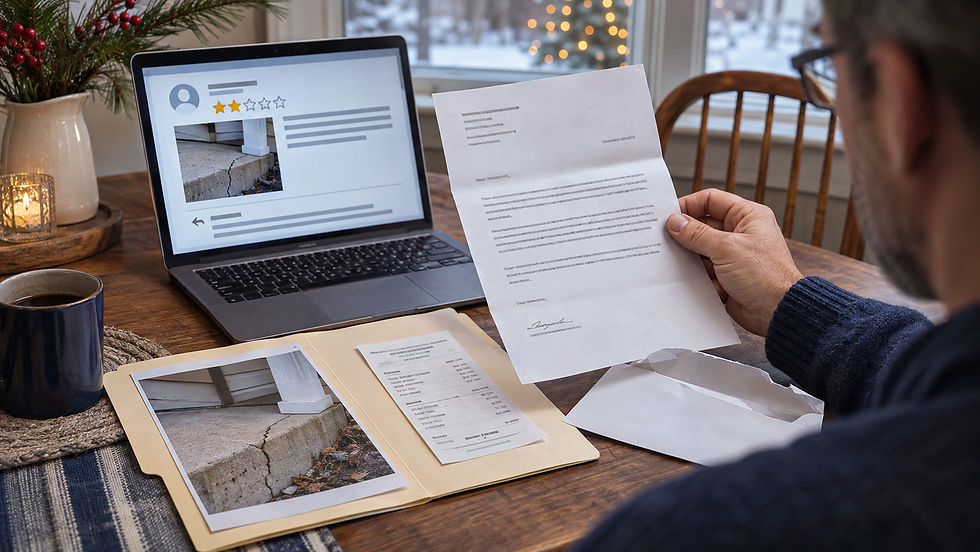
For example, a lawsuit over comments at a zoning hearing or criticism of a proposed public project may warrant an anti-SLAPP evaluation. An online customer review may also deserve that analysis, depending on its content and context. A neighborhood disagreement does not automatically qualify simply because someone posts about it on Facebook.
The law has exceptions, including certain claims involving a seller’s own commercial communications. It does not erase legitimate defamation claims or make every accusation protected speech. A lawyer must examine the actual words, the surrounding facts, and the claims being made.
For qualifying claims, Ohio’s law allows a motion seeking expedited dismissal. Filing the motion generally pauses proceedings between the affected parties, subject to exceptions. If the court grants it, the statute requires an award of reasonable attorney fees, court costs, and other reasonable litigation expenses. A frivolous motion can produce a fee award against the person filing it.
Whatever defenses may apply, your first practical task is preserving the evidence.
Save the complete post, review, or comment thread. Capture the words, photographs, replies, usernames, dates, and web address. Include the surrounding conversation, even portions you wish you had written differently. A cropped screenshot may omit the context that explains what you meant.
Keep original records as well as screenshots. Save emails with attachments, text messages, direct messages, photographs, videos, and available account exports or edit histories. Retain the receipts, contracts, inspection reports, or other materials you relied on. For a public meeting or community dispute, preserve relevant agendas, minutes, recordings, and communications with officials.
Preserve the threat itself. Keep the letter, envelope, email, attachments, and every page of any summons or complaint. Note when and how each item arrived. Prepare a short timeline while events are fresh, and identify people who witnessed the underlying events or saw the original statements.
Do not delete messages, wipe a phone, close an account, or let automatic deletion erase relevant material. Preserve unfavorable records too. Keep a secure backup, and avoid editing the originals. Once litigation is reasonably anticipated, losing relevant electronic evidence can create problems beyond the original dispute.
Before removing or revising a post, preserve it and seek advice about the appropriate next step. Preservation does not require continuing an online argument. Additional accusations, angry replies, or public posts about the legal threat can complicate the situation.
Timing matters. Ohio’s anti-SLAPP motion generally must be filed within 60 days after service of the pleading asserting the covered claim. A court may extend that period for good cause, but an extension should never be assumed. Other deadlines to respond to the lawsuit may come sooner. The 60-day period is not permission to wait two months before calling a lawyer.
Before leaving town or closing your business for the holidays, arrange for someone to monitor important mail and messages. December 31 is not a special anti-SLAPP deadline, and the holiday season does not create a general pause in court deadlines.
If a legal threat arrives, save the evidence and arrange for a timely response. A holiday break should not become a reason to ignore a legal threat or court papers.


Comments