A Practical Homebuyer Checklist Before You Sign and Close
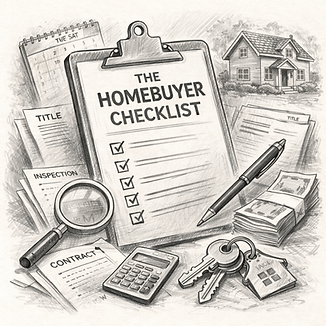
A home purchase can move fast, especially when a property is in demand. That speed is exactly why buyers need a checklist. A good checklist does not replace judgment, but it does help buyers slow down long enough to avoid missing something important.
Start with the obvious but often neglected question: What can I truly afford? That means more than the purchase price. Buyers should look at the expected monthly payment, taxes, insurance, utilities, maintenance, HOA dues if applicable, and likely repair costs. A house that fits the mortgage approval number may still strain the actual household budget.
Next, get clear on the property itself. Review the listing carefully, but do not treat it as gospel. Confirm what is included in the sale. Appliances, fixtures, outbuildings, mineral rights, access points, and easements can all matter. Assumptions have a way of becoming closing-table arguments.
Then review the purchase contract before signing. Pay close attention to inspection deadlines, financing contingencies, appraisal terms, earnest money provisions, and default language. Buyers often focus on the sale price and overlook the terms that determine what happens when something goes wrong.
Inspections should also be part of the checklist. General inspections are important, but they are not the only ones worth considering. Depending on the property, buyers may need septic, well, radon, mold, pest, roof, structural, or specialized inspections. The right inspection depends on the home, the land, and the known risks.
Title review belongs on the checklist as well. Buyers should understand whether title work has been completed, whether title insurance will be issued, and whether any liens, exceptions, access concerns, or boundary matters have been identified. A beautiful house with legal baggage is still legal baggage.
If the property is in an HOA or condo association, the checklist should include reviewing governing documents, fees, rules, pending assessments, and any known disputes. Buyers should know what they are joining before they become members by force of ownership.
As closing approaches, review the settlement statement, loan terms, deed information, prorations, and identity documents. Make sure the names are correct, the numbers match expectations, and the legal description accurately reflects the property being conveyed.
The best homebuyer checklist is not glamorous. It is not a mood board or a dream-home wish list. It is a disciplined tool that keeps emotion from outrunning judgment. Buying a home is not just about winning the house. It is about getting to closing with your eyes open and your risks understood.


Comments