The Top Legal Issues Homebuyers Face Before and After Closing
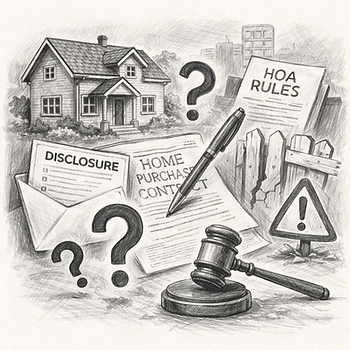
Buying a home is exciting, but it is also a legal transaction with real consequences. Most buyers spend a lot of time thinking about price, mortgage rates, and move-in dates. Fewer think about the legal issues that can complicate a purchase or create problems after closing. That is a mistake worth avoiding.
One of the most common legal issues is title trouble. A buyer may assume that if a seller is living in the house, they must have clear ownership. That is not always true. Old liens, unreleased mortgages, judgment claims, probate issues, or recording mistakes can cloud title and delay or even derail a closing. Title work exists for a reason. It is meant to uncover those issues before the buyer inherits a problem.
Another frequent issue is boundary uncertainty. Fences, driveways, sheds, or landscaping may not sit where buyers assume they do. Neighbor disputes over shared access, encroachments, or poorly described property lines can become expensive and emotional very quickly. A parcel that looks simple on a listing sheet can be more complicated on the ground.
Buyers also face risk in the purchase contract itself. The contract controls inspection rights, deadlines, earnest money, repair expectations, financing contingencies, and what happens if the deal falls apart. A buyer who signs quickly without understanding those terms can lose leverage or, in some cases, lose money.
Then there are disclosure issues. Sellers may fail to disclose water problems, structural concerns, prior repairs, or neighborhood conditions that matter to the buyer. Some nondisclosure cases involve intentional concealment. Others grow out of sloppy forms or vague answers. Either way, disputes often come down to what was known, what was disclosed, and what the buyer reasonably relied upon.
For buyers in planned communities, HOA and condo restrictions can create another layer of legal concern. Rules on rentals, pets, parking, exterior changes, assessments, and fee increases can materially affect how the property may be used and what it will cost to own.
Finally, buyers should pay attention to closing document accuracy. Names, legal descriptions, loan numbers, prorations, and deed language matter. Small errors at closing can create larger cleanup problems later.
The point is not that every purchase is dangerous. It is that every purchase deserves careful review. The legal issues homebuyers face are often manageable when caught early. They become expensive when ignored. A smart buyer does not just ask whether the home is right. They ask whether the deal is right.


Buying a home involves so many details that it’s easy to overlook something important before closing. Reviewing contracts carefully and understanding your rights can save a lot of trouble later. After dealing with serious paperwork, a quick round of Tower Shot sounds like a fun way to unwind!