Common Compliance Issues That Affect Small Businesses
- 2 hours ago
- 2 min read

Small business owners wear a lot of hats. They are often managing clients, employees, vendors, finances, marketing, and day-to-day operations all at once. With so much happening, compliance issues can easily fall to the bottom of the list.
But when compliance is ignored, small problems can become expensive ones.
One common compliance issue is failing to keep business filings and registrations current. This begins with state registrations, including trade names, and registered agent information, or other required filings, and also includes EIN filings with the IRS. If the business changes its address, ownership, name, structure, or services, those records may need to be updated. Outdated or inaccurate filings can create problems when applying for financing, entering into contracts, selling the business, or responding to legal issues.
A second compliance issue we see begins with licenses and permits. This review starts with industry-specific state and local licenses to conduct business, but also includes a growing number of local/city laws. And zoning can also become a big issue – from outdoor signage to expanding the uses of the property, these can become big issues when someone complains.
Another issue businesses often overlook is worker classification. Many small businesses use a mix of employees, independent contractors, part-time workers, and outside service providers. It is important to properly document those relationships. Misclassifying a worker as an independent contractor when they should be treated as an employee can create tax, wage, benefit, and liability concerns.
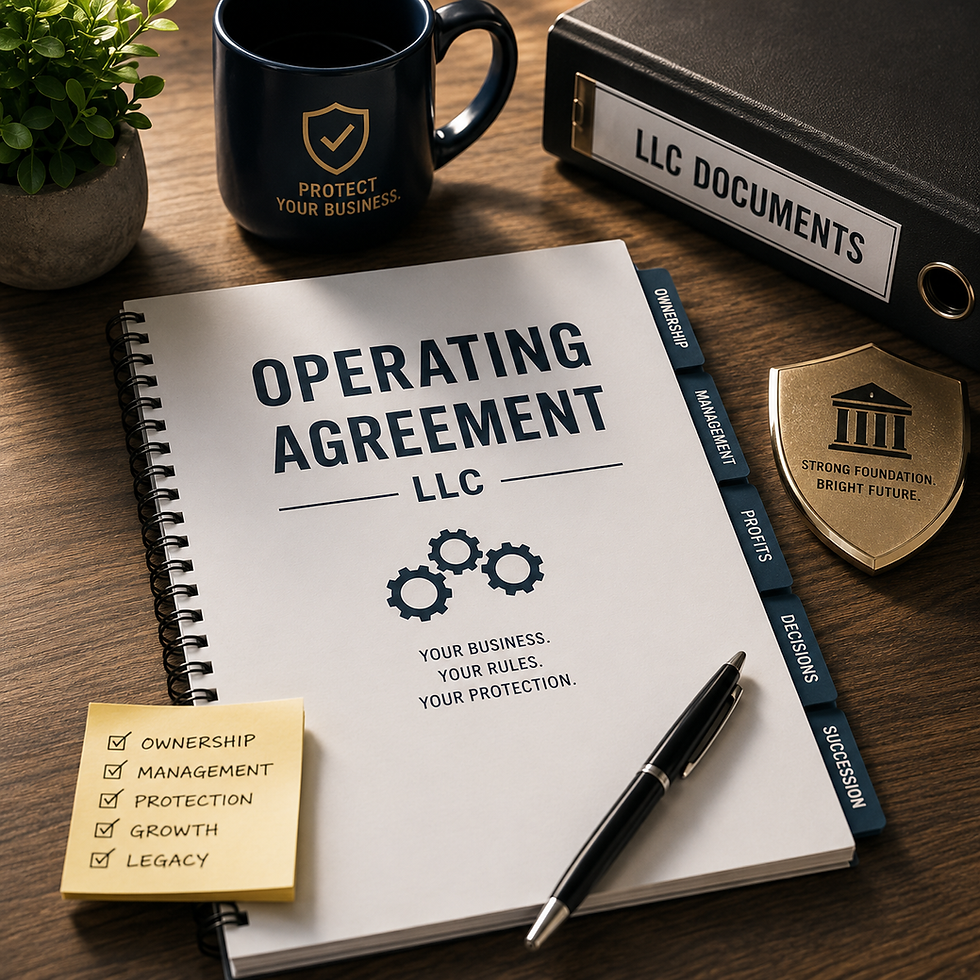
Small businesses should also pay attention to internal business documents. LLC operating agreements, corporate bylaws, ownership records, meeting minutes, resolutions, and written policies may not seem urgent during everyday operations. However, these documents can become very important if there is an ownership dispute, lender request, sale, audit, lawsuit, or transition of control. If the documents are missing, outdated, or inconsistent with how the business actually operates, that can create confusion and risk.
Contracts are another major area of compliance. Businesses should make sure their client agreements, vendor agreements, leases, employment documents, and independent contractor agreements reflect the business you’re actually doing, and the way you do it. A contract copied from the internet or reused for years without review may not reflect the business’s current services or procedures, nor document the intended “agreement” with the other party.
One of the most overlooked and easiest to remedy is insurance. When things go wrong, your insurance is often your main line of defense. Spend some time with your agent and make sure to ask lots of “what ifs” to ensure you have the right coverage.
Privacy, recordkeeping, and workplace policies can also affect small businesses. As businesses grow, they may need clearer policies for employee conduct, confidentiality, client information, document retention, payment practices, and dispute resolution.
Compliance does not have to be overwhelming. The key is to review the business regularly and address issues before they become problems.
At Eques Law Group, we help small business owners review their legal structure, contracts, filings, and internal documents so they can operate with more clarity and confidence.
If your business has grown or changed, now may be the right time for a compliance review.


Comments