Simple Compliance Checks Every Business Should Do
- 2 hours ago
- 2 min read

Compliance does not always mean a major legal problem. By doing some simple self-checks of things that are easy to overlook when you are busy running the business, you can spot problems long before they become major legal ones. Here are a few compliance checks every business should do:
1. Check your business filings. Every business should register their entity name, and any d/b/a names. Check the Ohio Secretary of State Business Search page, and make sure that you’re using the name(s) exactly as registered. Contact legal counsel if anything needs fixed.
2. Verify your EIN Registration.
The EIN (“Employer Identification Number”) is your company’s Social Security Number – make sure the IRS has your correct name, and if you’re a pass-through entity (e.g. if you’re the only owner of your LLC), ensure that the EIN is connected to the correct personal social security number.
3. Confirm your licenses and permits. Does your business need any local, state, or industry-specific licenses or permits? If so, are they current? Don’t forget to check local city ordinances if you need zoning permits for any expansions you recently did – either in building or in the operations you conduct on the property.
4. Review worker classifications. Are your employees and independent contractors properly classified and documented? A good bookkeeper, accountant, and HR team – whether internal or fractionally outsourced is an invaluable resource on checking all of this.
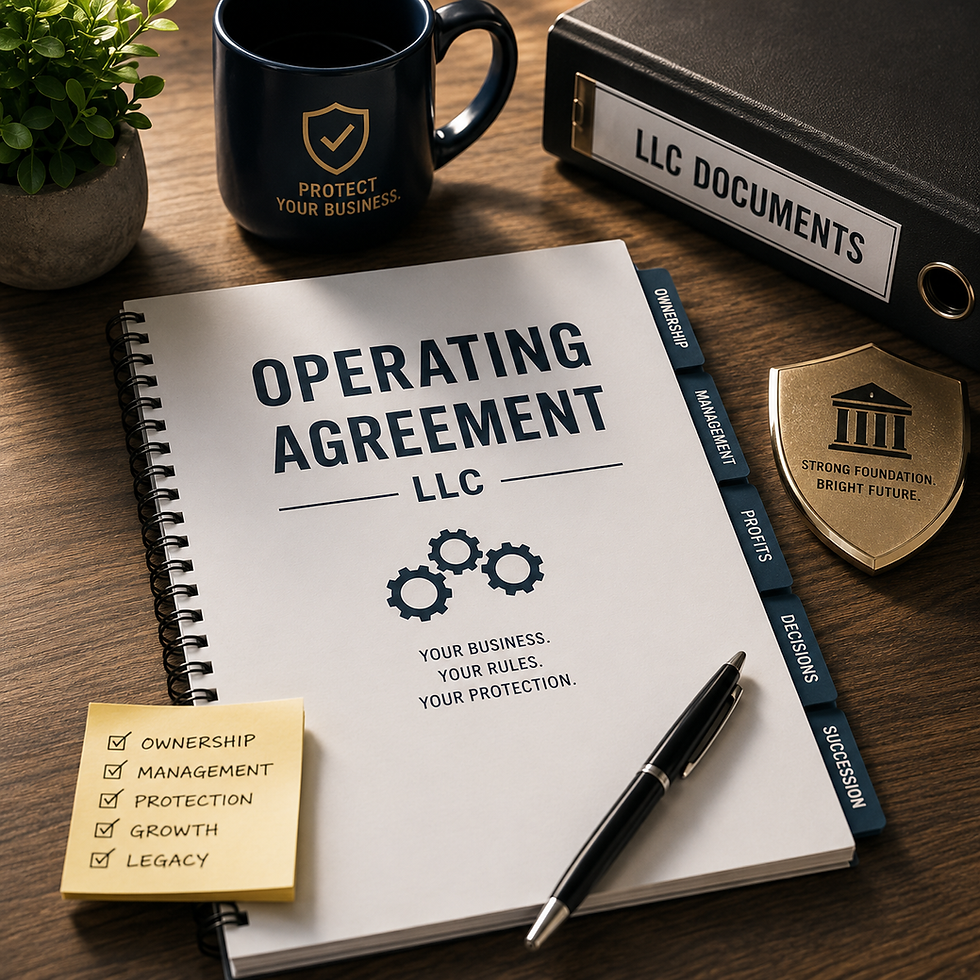
5. Review your internal business documents. Your Operating Agreement, ownership records, and written policies should reflect how the business actually operates today. Check that you have any needed meeting minutes, resolutions, or other documents to ensure changes have been property recorded.
6. Review your contracts. Do your client agreements, vendor agreements, leases, and independent contractor agreements all reflect what you’re actually selling or buying? Customer/client disputes are often much easier to resolve in your favor when the “fine print” documents what you agreed to – including clear definitions of any assumptions of “that’s the way it’s always done.”
7. Review your insurance.
If anything does go wrong, your insurance is your first line of defense. Make sure you ask your agent a lot of “what ifs” and verify you have the right insurance coverage.
8. Check your recordkeeping practices. Are important documents stored, organized, and accessible when needed?
Small compliance issues can become bigger problems if they are ignored.
At Eques Law Group, we help business owners review their legal documents, filings, and internal processes so they can identify issues before they become costly. A simple business compliance review can help you protect what you have built.


Comments