Understanding Ohio Property Easements Before You Buy
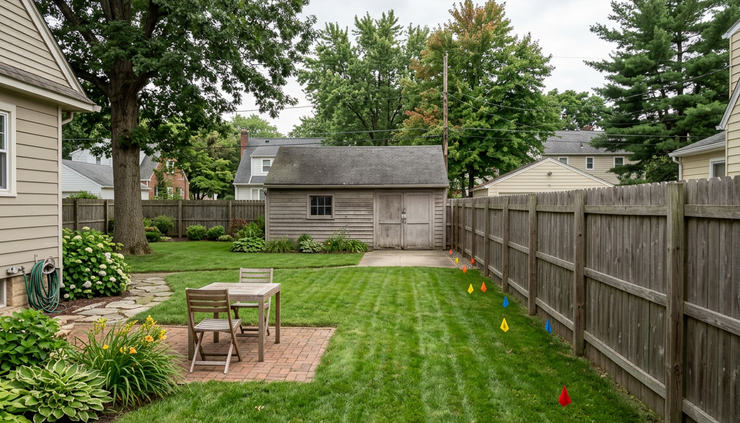
Written By: Christopher M. White, Esq. A big backyard can change how a property feels. It can make room for a garage, a fence, a garden, or a safe place for kids to play. Then one document changes the picture: a utility company has rights across part of the yard, or a neighbor’s driveway crosses the land you plan to buy.
That discovery does not automatically mean something is wrong with the property. Easements are common in Ohio, and many serve necessary purposes. Power lines, shared driveways, drainage systems, and access roads often depend on them.
The key is understanding what the easement allows, what it limits, and how it may affect your plans before you buy or build.
Owning land does not always mean having exclusive use of every part of it.
What an easement means in Ohio
An easement gives someone a legal right to use another person’s property for a specific purpose. The landowner usually keeps ownership of the land, but the easement holder has certain use rights.
For example, an easement may allow:
A neighbor to use a driveway to reach their home
A utility company to install and maintain underground lines
A municipality to access drainage improvements
A property owner to cross someone else’s land to reach a public road
An easement can burden your property, benefit your property, or both. If a neighbor has the right to cross your land, your property is burdened by that easement. If you have the right to use a driveway over a neighboring parcel, your property benefits from it.
The details matter. A right to cross land does not automatically include the right to park there, store equipment, widen the path, or use the area for a different purpose.
For an easement created by a written grant, the language of the document is central. The Supreme Court of Ohio emphasized that point in Corder v. Ohio Edison Co., 2024-Ohio-5432, paragraph 10. In plain terms, the words used in the easement often control what the holder may do and what the landowner must tolerate.
That is why a short phrase in an old deed can have real consequences decades later.
Common types of easements a buyer may encounter
Ohio property easements show up in many ordinary real estate deals. Some are easy to spot during a showing. Others are only visible after a title review, survey, or closer look at county records.
Utility easements
Utility easements are among the most common. They may allow a company to install, inspect, repair, replace, or maintain:
Electric lines
Gas lines
Water lines
Sewer lines
Fiber, cable, or telephone lines
Poles, transformers, meters, or related equipment
A utility easement may affect where you can build a garage, plant trees, install a pool, or place a fence. Even if a fence is allowed, the utility company may need access later. In some cases, improvements placed in the easement area may have to be removed at the owner’s expense.
The easement language should be reviewed carefully. Some utility easements are narrow and specific. Others are broader.
Driveway and access easements
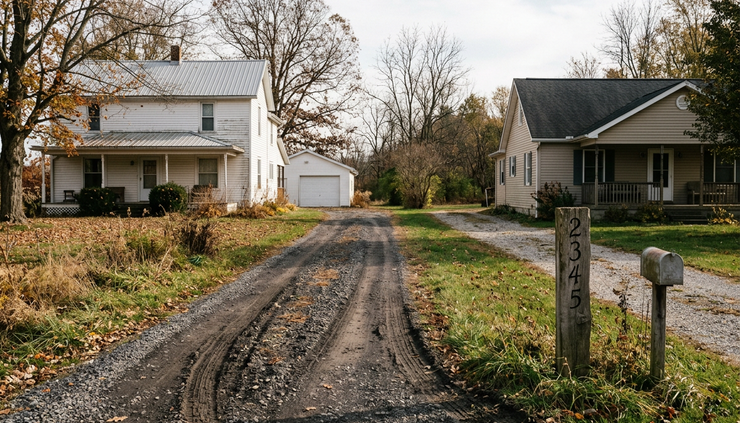
A driveway easement may allow one property owner to cross another owner’s land. This often happens when parcels were split from one larger tract or when a home sits behind another parcel.
A shared driveway can work well for years, but it can also create tension if the agreement is unclear.
Common questions include:
Who pays for gravel, paving, snow removal, or repairs?
Can delivery trucks, guests, or contractors use the driveway?
Can either owner widen or relocate it?
What happens if the driveway is blocked?
A buyer should not rely only on what the current owners do informally. The recorded documents, survey, and actual use should all be reviewed.
Drainage easements
Drainage easements may allow water to flow across land or allow access to drainage tiles, stormwater systems, ditches, retention areas, or swales.
These easements can be especially important in subdivisions and rural properties. Blocking or altering drainage can create problems for neighboring properties and may violate recorded restrictions or local requirements.
A low, open area at the back or side of a lot may look unused, but it may serve an important drainage function.
Conservation or agricultural easements
Some properties are subject to conservation, agricultural, or land-use restrictions. These may limit development, preserve open space, protect natural features, or restrict certain uses.
These easements can be valuable and intentional, but they must fit the buyer’s plans. A buyer who wants to divide land, build additional structures, clear trees, or change agricultural use should understand these limits before closing.
Recorded easements are not always in the current deed
Many easements are documented in records maintained by the county recorder. They may appear in:
An older deed
A separate easement agreement
A recorded subdivision plat
A declaration of covenants and restrictions
A utility document
A survey or legal description
Reviewing only the current deed may leave important questions unanswered. A deed may refer to prior easements without fully repeating them. It may say the property is conveyed “subject to” easements of record, which means the details may be found elsewhere.
That is one reason a title search matters. Title work can identify recorded interests that affect ownership and use. A survey can also reveal physical conditions, such as a driveway, utility pole, drainage ditch, fence line, or access path.
A buyer should compare the documents to what is actually on the ground. If a recorded easement says one thing, but the property has been used differently for years, that gap deserves attention before closing.
Some easements may arise without a written grant
Not every easement starts with a signed, recorded agreement. Ohio law also recognizes certain easements that can arise from circumstances. These claims are fact-specific and can be disputed.
Implied easements
An implied easement may arise when the history of the land and the circumstances of a transfer support the existence of a right, even if the deed does not expressly say so.
For example, if one parcel was divided into two and a driveway, drain, or utility line already served one part through the other, a question may arise about whether continued use was implied.
These cases depend heavily on the facts, including how the land was used before the split and whether the use was apparent, necessary, or expected.
Prescriptive easements
A prescriptive easement may arise from qualifying use over time. In Ohio, these claims generally require proof that the use was open, notorious, adverse, continuous, and lasted for the required period, commonly described as 21 years.
That does not mean every long-term use creates legal rights. Permission can defeat the “adverse” element. Occasional use may not be enough. A neighbor cutting across land a few times, or using it because the owner allowed it, does not automatically create a prescriptive easement.
Simply using another person’s property is not the same as owning a legal right to use it. The facts and the history matter.
How easements can affect your plans after closing
The biggest easement problems often appear after the purchase, when the new owner tries to improve the property.
A buyer may assume the open yard is available for any use. An easement may say otherwise.
Building a garage or addition
If an easement crosses the best building area, it may limit where a garage, addition, shed, or barn can go. Even a small encroachment can become an issue if it interferes with access or maintenance rights.
Local zoning approval does not always solve the problem. A building permit may address public regulations, but it may not eliminate private easement rights.
Installing a fence
A fence can create trouble if it blocks access granted by an easement. Utility companies may need trucks or equipment to enter. A neighbor may have a legal right to pass through a certain area.
Some easements allow gates if access remains available. Others do not. Before installing fencing across or near an easement, check the recorded language and consider how access will work in practice.
Planting trees or landscaping
Trees can interfere with overhead lines, underground utilities, drainage systems, or access paths. Even small ornamental trees can become a problem as roots and branches grow.
Landscaping may seem harmless, but if it blocks the easement holder’s rights, it may have to be removed.
Changing the grade or drainage
Adding soil, building berms, installing patios, or changing slopes can affect drainage. If a drainage easement exists, these changes may create legal and practical problems.
Water issues can be expensive. They can also strain neighbor relationships quickly.
Questions to ask before buying property with an easement
An easement should not automatically end a deal. Many properties with easements are perfectly usable and valuable. The goal is to understand the situation clearly.
Ask practical questions before closing:
Where is the easement located?
Is it shown on a survey or plat?
Who benefits from it?
What exact use does it allow?
Who maintains the area?
Can the easement holder enter at any time?
Does it affect planned improvements?
Are there visible signs of use that do not match the documents?
Has there been any dispute with neighbors or utility companies?
Does title insurance except the easement from coverage?
If the property depends on an easement over someone else’s land, ask the same questions from the other direction. A buyer should understand not only burdens on the property, but also rights the property needs in order to function.
What to review before you commit
A careful review usually starts with three sources: title documents, a survey, and the property itself.
Review title and recorded documents
The title commitment may list recorded easements as exceptions. Do not stop at the list. Ask for the documents themselves when possible, then read the language.
Look for:
The purpose of the easement
The location and width
Any limits on use
Maintenance duties
Rights to repair, replace, or expand facilities
Whether the easement is exclusive or shared
Whether it benefits a specific person, parcel, company, or public body
Some easements are old, but still enforceable. Age alone does not make an easement irrelevant.
Get a survey when location matters
A survey can show where easement areas, boundary lines, driveways, fences, and improvements sit in relation to one another.
This is especially helpful if you plan to build, fence, pave, landscape, or divide land. If an easement is described only in legal language, a surveyor may help locate it on the ground.
Walk the property carefully
Documents tell part of the story. Physical inspection tells another.
Look for signs such as:
Utility poles or boxes
Manholes or storm drains
Gravel paths
Tire tracks
Shared driveways
Drainage swales
Gates or old fence openings
Mowed paths crossing a field
If someone appears to be using the land, ask why. The answer may be simple. It may also reveal an unrecorded claim that needs more review.
When an easement should raise concern
Many easements are routine. Some deserve closer attention.
Be cautious when:
The easement area covers the only practical building site
The location is unclear
The document gives broad rights to expand use
A neighbor’s current use exceeds the written language
The property needs access over another parcel, but the right is uncertain
The seller says there is an informal arrangement, but nothing is written
A structure already appears to encroach on an easement
The easement language conflicts with your intended use
None of these issues automatically means the property is a bad purchase. They do mean the risk should be understood before money changes hands.
A practical takeaway before you buy
Easements are part of many Ohio properties. They can support utilities, access, drainage, and shared use that make land more functional. The problem is not the existence of an easement. The problem is being surprised by one after closing.
Before buying or improving property, read the documents, compare them to the physical land, and ask direct questions about future plans. If the language is unclear or the stakes are high, speak with a qualified Ohio real estate attorney.
This article is for general informational purposes only and is not legal advice. Easement rights depend on specific documents, facts, and Ohio law.



I appreciate simple explanations of technical subjects because they make troubleshooting less stressful. 192.168.11 does not contain the four sections required by the usual IPv4 format, so users should verify the complete address before opening router settings.